


50 Years of Afrobeat: How Fela Kuti's Revolutionary Music Still Inspires a Generation
In 1974, Fela Anikulapo-Kuti released "Alagbon Close", a searing indictment of police brutality and corruption in Nigeria. Fifty years later, the song's message still resonates, proving that great music transcends time and place.
Fela's creation of Afrobeat - a fusion of traditional Yoruba music, highlife, jazz, and funk - was revolutionary. But it was his willingness to use music as a weapon against oppression that cemented his legacy as one of Africa's most influential figures.
The Birth of a Movement
When Fela returned to Nigeria from the United States in the late 1960s, he was determined to create something uniquely African. The result was a sound that featured complex rhythms, extended compositions, and politically charged lyrics that challenged the military regimes of the time.
"Fela didn't just make music; he made a statement," says Professor Sola Olorunyomi, author of "Fela: From West Africa to West Broadway". "He understood that art could be a tool for social change, and he used it fearlessly."
Influencing Modern Artists
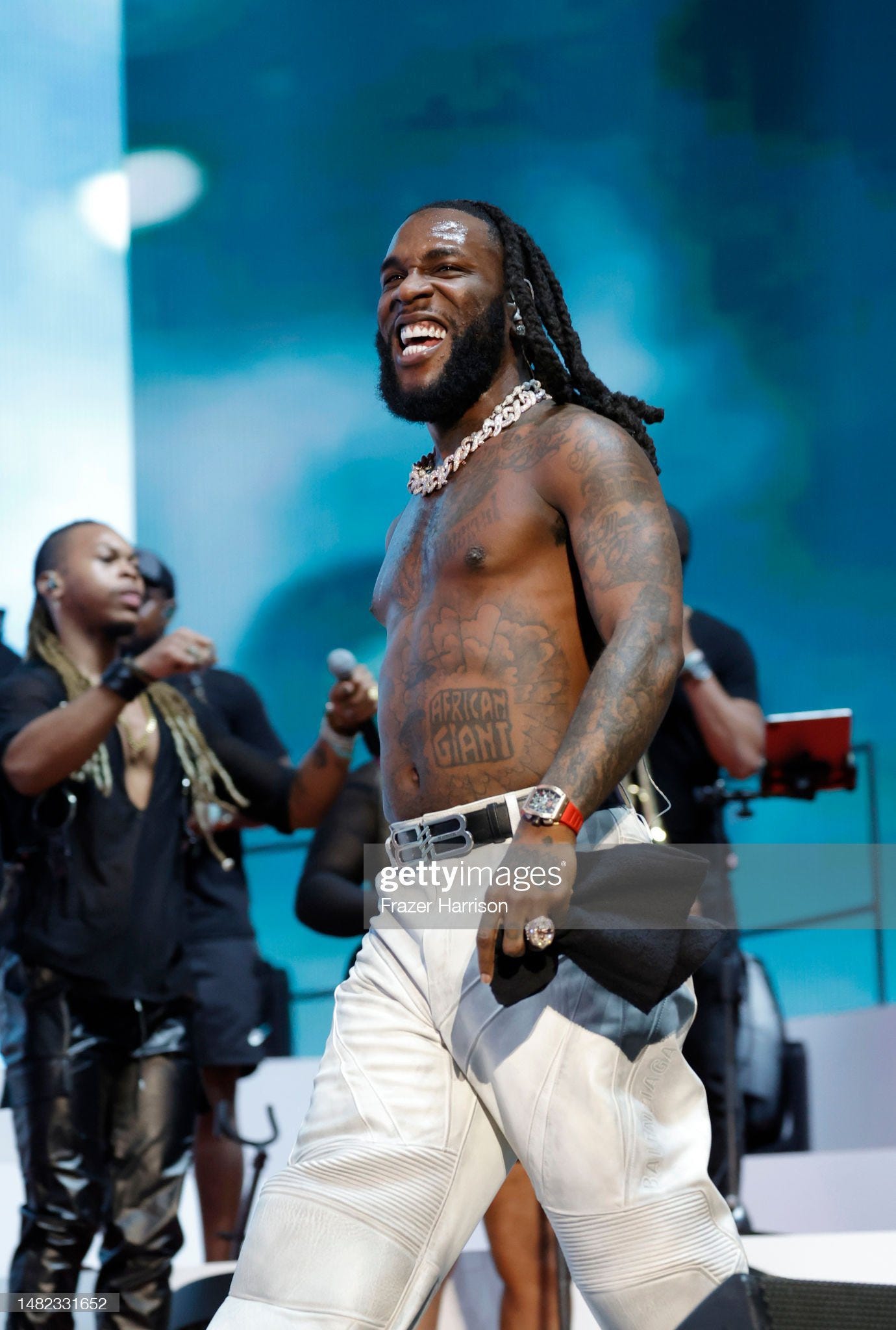
Today's biggest Afrobeats stars consistently cite Fela as a primary influence. Burna Boy, whose grandfather was Fela's manager, has built a career on conscious lyrics and social commentary that echoes his predecessor. Wizkid's "Made In Lagos" album, Davido's activism, and the work of artists like Falz and Adekunle Gold all carry traces of Fela's influence.
"Fela taught us that music could be both entertaining and educational," says Burna Boy in a 2022 interview. "He showed us that we don't have to compromise our African identity to be global."
The Continuing Relevance
As Nigeria continues to face challenges of corruption, police brutality, and economic inequality, Fela's music finds new audiences. The 2020 EndSARS protests saw protesters singing "Zombie" and "Sorrow, Tears, and Blood" - songs written decades ago but still painfully relevant.
The Kalakuta Museum at Fela's former Lagos home remains a pilgrimage site for fans from around the world. Each year's Felabration festival draws thousands celebrating his life and music, proving that the Afrobeat pioneer's legacy continues to grow.
As Afrobeat evolves into new forms and reaches global audiences, its foundation remains the work of one man who dared to speak truth to power through music. Fifty years later, Fela Anikulapo-Kuti's voice is louder than ever.
Post Comments (0)
No comments yet. Be the first to comment!





Leave a Comment